Orthopedic Physiotherapy: Benefits, Conditions & Treatment
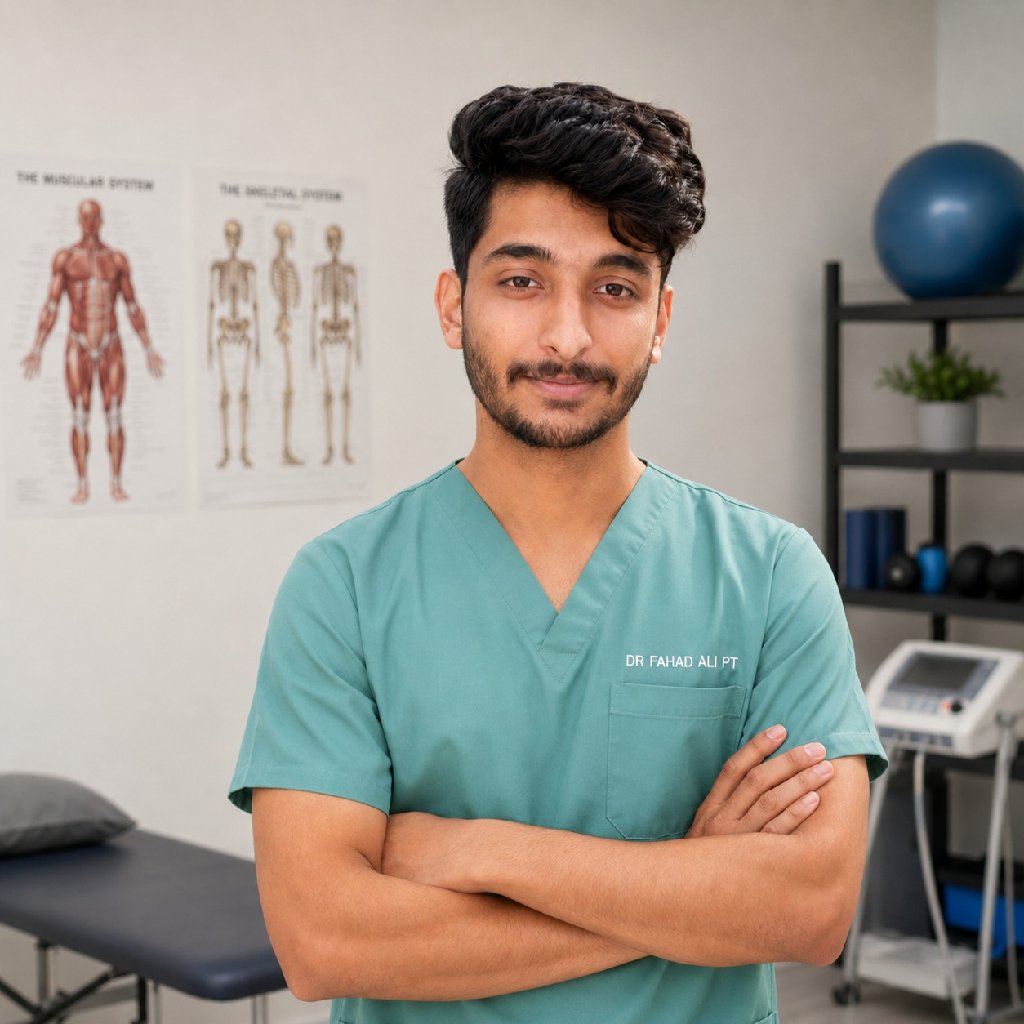
Orthopedic problems can affect much more than a single joint or muscle. A painful knee can make climbing stairs difficult. A stiff shoulder can affect dressing, sleeping, or reaching for everyday objects. Back pain can make sitting at work, driving, or even getting out of bed uncomfortable.
This is where orthopedic physiotherapy plays an important role.
Orthopedic physiotherapy focuses on the assessment, treatment, rehabilitation, and prevention of problems affecting the muscles, bones, joints, ligaments, tendons, and other parts of the musculoskeletal system. The goal is not simply to reduce pain for a few hours or days. Good orthopedic rehabilitation aims to understand why movement has become painful or difficult and then help the person gradually return to normal function.
For example, two people may both complain of knee pain. One may have pain because of knee osteoarthritis and reduced leg strength. Another may have developed pain after a sports injury. A third may be recovering from knee surgery. Although all three patients have “knee pain,” their rehabilitation needs can be very different.
That is one of the most important things to understand about orthopedic physiotherapy: the body part is only the starting point. The treatment plan should be based on the individual, their condition, movement limitations, goals, lifestyle, and stage of recovery.
If you would like a broader overview of how physiotherapy works across different health conditions, you can also read our complete guide on Physiotherapy.
In this article, we will explain what orthopedic physiotherapy is, the conditions it can help treat, the techniques used, what happens during treatment, and how physiotherapy can support recovery after injury, surgery, or long-term joint and muscle problems.
What Is Orthopedic Physiotherapy?
Orthopedic physiotherapy, also called orthopaedic physical therapy, is a branch of physiotherapy that focuses on conditions affecting the musculoskeletal system.
This includes problems involving:
- Bones
- Joints
- Muscles
- Ligaments
- Tendons
- Cartilage
- The spine
- Movement and posture
Orthopedic physiotherapists help people who have pain, injuries, movement limitations, or reduced physical function caused by musculoskeletal conditions. Their work may involve injury rehabilitation, post-surgical recovery, chronic pain management, strengthening, mobility training, and injury prevention.
Orthopedic physical therapists are particularly focused on assessing movement problems and helping people move and function better through prescribed exercise, education, and other rehabilitation techniques.
A simple way to understand it
Think of orthopedic physiotherapy as a process of answering four important questions:
- What movement or activity is difficult?
- Why is it difficult or painful?
- What physical impairments are contributing to the problem?
- What is the safest and most effective way to restore function?
The answer is not always “strengthen the painful area.”
Sometimes the main issue is weakness. Sometimes it is stiffness. Sometimes the problem is poor movement control, reduced balance, fear of movement, or a gradual loss of activity after an injury.
In clinical rehabilitation, we often see people who have stopped moving because movement became painful. Over time, reduced activity can lead to weaker muscles, greater stiffness, and even more difficulty with everyday tasks. Orthopedic physiotherapy aims to break this cycle by introducing the right amount of movement at the right stage of recovery.
What Does an Orthopedic Physiotherapist Do?
An orthopedic physiotherapist assesses how your body moves and identifies factors that may be contributing to pain or reduced function.
Depending on the condition, the assessment may include:
- Range of motion
- Muscle strength
- Joint movement
- Posture
- Walking pattern
- Balance
- Functional movements
- Ability to perform daily activities
- Pain during specific movements
- Previous injuries or surgeries
- Work, sports, or lifestyle demands
For example, if someone says, “My knee hurts when I climb stairs,” the assessment should not stop at the knee.
The physiotherapist may also look at:
- Hip and leg strength
- Knee movement
- Ankle mobility
- Balance and movement control
- How the person goes up and down stairs
- Whether one leg is taking more load than the other
This broader assessment is often what makes rehabilitation different from simply receiving a generic list of exercises from the internet.
The goal is to improve function, not just treat a painful body part
Pain matters, of course. But pain relief alone is not always the best measure of successful rehabilitation.
For many patients, meaningful recovery means being able to:
- Walk without fear
- Climb stairs comfortably
- Return to work
- Lift and carry objects
- Play a sport again
- Get out of bed more easily
- Dress independently
- Travel or move around with confidence
A successful rehabilitation program should therefore focus on what the person needs and wants to do in daily life.
What Conditions Can Orthopedic Physiotherapy Treat?
Orthopedic physiotherapy can help with a wide range of musculoskeletal problems.
The exact treatment depends on the diagnosis, severity of the condition, symptoms, stage of healing, and individual goals.
Common conditions include the following.
1. Back Pain
Back pain is one of the most common reasons people seek orthopedic physiotherapy.
It may be associated with:
- Muscle strain
- Reduced mobility
- Prolonged sitting
- Poor movement tolerance
- Disc-related problems
- Degenerative changes
- Facet joint problems
- Recovery after spinal surgery
Treatment may involve education, gradual movement, mobility work, strengthening, and exercises designed around the patient’s specific limitations.
One important observation in back pain rehabilitation is that two people can have similar findings on an MRI but very different symptoms and levels of function. For this reason, rehabilitation should not be based only on a scan. The person’s symptoms, movement ability, and daily limitations also matter.
2. Neck Pain
Orthopedic physiotherapy can help people experiencing:
- Persistent neck pain
- Muscle tightness
- Reduced neck movement
- Postural problems
- Pain related to prolonged computer or mobile phone use
- Whiplash-related symptoms
- Neck problems associated with shoulder or upper-back dysfunction
Treatment may include mobility exercises, strengthening, movement retraining, posture and workplace advice, and a gradual return to normal activities.
3. Shoulder Pain and Injuries
The shoulder is a complex joint that depends heavily on coordinated movement and muscle control.
Orthopedic physiotherapy may help with:
- Rotator cuff problems
- Shoulder impingement-related pain
- Frozen shoulder
- Shoulder instability
- Tendon-related shoulder pain
- Recovery after shoulder surgery
- Reduced shoulder mobility
A common mistake is to assume that every painful shoulder needs complete rest.
In reality, depending on the diagnosis and stage of recovery, the shoulder may benefit from carefully progressed movement and strengthening. The key is finding the appropriate level of activity rather than simply choosing between “exercise” and “complete rest.”
4. Knee Pain and Knee Injuries
Knee problems are another major area of orthopedic rehabilitation.
Physiotherapy may help with:
- Knee osteoarthritis
- Ligament injuries
- Meniscus-related problems
- Patellofemoral pain
- Tendon problems
- Muscle weakness around the knee
- Recovery after knee surgery
- Knee replacement rehabilitation
For people with osteoarthritis, tailored therapeutic exercise is considered a core part of management and can help improve or maintain physical function and reduce symptoms over time.
An important clinical point is that a painful knee does not always mean the knee should stop moving completely. In some conditions, appropriately prescribed and gradually progressed exercise can be an important part of recovery.
5. Hip Pain
Orthopedic physiotherapy may be recommended for conditions such as:
- Hip osteoarthritis
- Muscle and tendon injuries
- Hip stiffness
- Pain affecting walking
- Recovery after hip surgery
- Hip replacement rehabilitation
Treatment may focus on improving hip movement, strengthening the muscles around the hip, improving walking ability, and helping the person return to everyday activities.
6. Ankle and Foot Problems
Physiotherapy can help with:
- Ankle sprains
- Ligament injuries
- Achilles tendon problems
- Foot and ankle weakness
- Reduced balance after injury
- Post-fracture rehabilitation
- Recovery after surgery
A person may feel that an ankle has “healed” because the swelling has reduced, but they may still have poor balance, weakness, or reduced confidence when walking on uneven surfaces.
This is one reason rehabilitation should continue beyond simply waiting for pain to decrease.
7. Muscle Strains and Tendon Problems
Orthopedic physiotherapy is commonly used for:
- Hamstring strains
- Quadriceps injuries
- Calf muscle injuries
- Tennis elbow
- Golfer’s elbow
- Achilles tendinopathy
- Other tendon-related problems
The rehabilitation process often involves gradually restoring the muscle or tendon’s ability to tolerate load.
A useful principle here is that returning to activity should be based on capacity, not just the absence of pain. A person may feel better after a few days but still lack the strength or movement control needed to safely return to their previous activity.
8. Fracture Rehabilitation
After a fracture, a person may experience:
- Stiffness
- Muscle weakness
- Reduced joint movement
- Difficulty walking
- Loss of confidence
- Reduced ability to perform daily activities
Once movement is medically appropriate, physiotherapy can help restore mobility, strength, balance, and function.
Rehabilitation may be particularly important after a period of immobilization because the body can lose strength and movement capacity while the injured area is protected.
The World Health Organization’s musculoskeletal rehabilitation resources include fractures, osteoarthritis, low back pain, rheumatoid arthritis, and other musculoskeletal conditions among important areas for rehabilitation interventions.
9. Arthritis and Joint Problems
Orthopedic physiotherapy can play an important role in managing joint problems such as osteoarthritis.
Treatment may include:
- Tailored strengthening exercises
- Mobility exercises
- General physical activity
- Education about managing symptoms
- Advice on pacing activities
- Balance and functional training
- Weight-management support where appropriate
For osteoarthritis, therapeutic exercise and appropriate weight management are considered core treatments, with treatment tailored to the person’s needs.
It is also important to understand that rehabilitation is not necessarily about “fixing” every structural change in a joint. In many cases, the practical goal is to help the person move better, become stronger, manage symptoms, and maintain independence.
10. Post-Surgical Rehabilitation
Orthopedic physiotherapy is often an important part of recovery after surgery.
Examples include rehabilitation after:
- Knee replacement
- Hip replacement
- ACL reconstruction
- Rotator cuff surgery
- Fracture fixation
- Meniscus surgery
- Spinal surgery
The rehabilitation process may focus on different priorities at different stages.
For example, early treatment may focus more on:
- Protecting the healing tissues
- Controlling swelling
- Restoring basic movement
- Improving mobility
Later stages may focus more on:
- Strength
- Balance
- Functional activities
- Work-related tasks
- Sport-specific rehabilitation
A good rehabilitation plan changes as the patient’s capacity improves.
Benefits of Orthopedic Physiotherapy
The benefits of orthopedic physiotherapy can vary depending on the condition. However, the main goals usually include the following.
1. Pain Management
Physiotherapy can help manage musculoskeletal pain through approaches such as:
- Therapeutic exercise
- Gradual activity progression
- Manual therapy when appropriate
- Movement retraining
- Education
- Improving strength and mobility
It is important to have realistic expectations. Effective physiotherapy is not always an instant solution.
Some people expect that a single treatment session should permanently remove pain. However, many orthopedic problems develop gradually and may require a structured rehabilitation process.
The most valuable outcome is often not simply, “My pain disappeared today,” but rather, “I can now do something that I could not do a few weeks ago.”
2. Improved Mobility and Flexibility
Pain, swelling, injury, surgery, and inactivity can all reduce movement.
Physiotherapy may use:
- Active exercises
- Mobility exercises
- Stretching where appropriate
- Functional movement training
- Hands-on techniques in selected cases
The goal is not necessarily to achieve the maximum possible range of motion. The goal is to restore the amount of movement needed for comfortable and meaningful function.
For example, someone does not need the flexibility of a gymnast to get dressed, sit comfortably, or climb stairs.
This distinction helps keep rehabilitation practical and focused.
3. Increased Strength
Weakness can develop after:
- Injury
- Surgery
- Immobilization
- Long periods of inactivity
- Chronic pain
A physiotherapist can design a progressive strengthening program based on the person’s current ability.
Strengthening may involve:
- Bodyweight exercises
- Resistance bands
- Weights
- Functional movements
- Balance and stability exercises
Progression matters.
An exercise that is useful during the first week of rehabilitation may become too easy later. Continuing to perform the same exercise without progression may eventually limit improvement.
4. Better Balance and Movement Control
Strength alone is not always enough.
A person may have adequate muscle strength but still struggle with:
- Standing on one leg
- Walking on uneven ground
- Changing direction
- Going downstairs
- Returning to sports
Orthopedic rehabilitation may therefore include exercises that improve balance, coordination, and movement control.
5. Faster and Safer Recovery After Injury or Surgery
Recovery should be progressive.
Doing too little for too long can result in unnecessary weakness and stiffness. On the other hand, doing too much too soon can aggravate symptoms or place stress on healing tissues.
Physiotherapy helps guide the rehabilitation process by matching activity levels to the person’s stage of recovery.
6. Improved Ability to Perform Daily Activities
One of the strongest signs of meaningful progress is improvement in everyday life.
This may include being able to:
- Walk longer distances
- Sit and stand more comfortably
- Use stairs
- Carry groceries
- Work more easily
- Sleep in a more comfortable position
- Return to hobbies
This is why orthopedic physiotherapy should include functional goals, not only measurements such as degrees of joint movement.
7. Reduced Risk of Recurrent Problems
Some injuries are more likely to recur if a person returns to activity before recovering sufficient strength, movement control, or capacity.
Rehabilitation can help address these underlying limitations.
For example, after an ankle sprain, pain may disappear before balance and stability have fully recovered. Returning immediately to demanding activity may increase the risk of another injury.
8. Support for Long-Term Joint Health and Independence
For people with chronic musculoskeletal conditions, physiotherapy may focus on maintaining independence and physical function over the long term.
Regular and consistent therapeutic exercise can help people with osteoarthritis improve pain, physical function, and quality of life, particularly when the program is tailored to the individual.
Common Orthopedic Physiotherapy Techniques
Orthopedic physiotherapists may use a combination of techniques depending on the patient’s needs.
These can include:
Exercise Therapy
A structured exercise program designed to improve:
- Strength
- Mobility
- Endurance
- Stability
- Function
Manual Therapy
Hands-on techniques may be used to help improve movement or manage symptoms in appropriate patients.
Stretching and Mobility Exercises
These may help address stiffness or movement restrictions when flexibility and mobility are contributing factors.
Soft Tissue Techniques
Hands-on techniques may sometimes be used to address muscle or soft-tissue symptoms.
Balance and Proprioception Training
This is particularly useful after some lower-limb injuries and can help improve awareness and control of body position during movement.
Gait Training
For people recovering from injury, surgery, or a period of reduced mobility, physiotherapy may help improve walking ability and confidence.
Functional Rehabilitation
Exercises are selected to prepare the person for meaningful activities such as:
- Climbing stairs
- Returning to work
- Lifting
- Walking longer distances
- Returning to sport
Orthopedic Physiotherapy at Home: Who Can Benefit?
Not everyone with an orthopedic problem can easily travel to a clinic.
Home physiotherapy may be particularly useful for people who:
- Have difficulty walking
- Are recovering after surgery
- Have significant pain or mobility limitations
- Are older adults
- Need assistance at home
- Have recently been discharged from hospital
- Prefer rehabilitation in their own environment
One advantage of home physiotherapy is that treatment can focus directly on the patient’s real environment.
For example, instead of only practising stair climbing on clinic equipment, the physiotherapist may assess the patient’s actual stairs. Instead of discussing how the patient gets out of bed or moves around the house, these activities can sometimes be observed directly.
This can make rehabilitation more practical and relevant.
For patients in Islamabad and Rawalpindi, you can learn more about our Orthopedic Physiotherapy at Home service and book a physiotherapist for a home visit.
Frequently Asked Questions About Orthopedic Physiotherapy
What is the difference between orthopedic physiotherapy and general physiotherapy?
General physiotherapy covers a broad range of conditions and patient groups. Orthopedic physiotherapy focuses specifically on musculoskeletal problems involving the bones, joints, muscles, ligaments, tendons, and related movement problems.
Does orthopedic physiotherapy hurt?
Some exercises or movements may cause temporary discomfort, especially when recovering from an injury, surgery, or long-term stiffness. However, treatment should be adjusted according to your condition, stage of recovery, and tolerance.
If you experience severe, unusual, or worsening symptoms, discuss them with your physiotherapist or healthcare provider.
How many orthopedic physiotherapy sessions will I need?
The number of sessions depends on your condition, the severity of the problem, your recovery goals, and how well you progress with rehabilitation.
Some people may improve within a few sessions, while recovery after surgery or a more complex injury may take longer. Your physiotherapist should regularly assess your progress and adjust the treatment plan as needed.
How long does orthopedic physiotherapy take?
There is no fixed recovery timeline because every condition and patient is different.
How long physiotherapy takes can depend on:
- The type and severity of the injury or condition
- Whether you have had surgery
- How long you have had the symptoms
- Your current strength and mobility
- Your activity level and daily demands
- How consistently you follow your rehabilitation program
Instead of focusing only on the number of weeks or sessions, it is often more useful to focus on recovery milestones. These may include walking comfortably, restoring joint movement, improving strength, climbing stairs, returning to work, or getting back to a specific sport or activity.
Can orthopedic physiotherapy help avoid surgery?
In some cases, physiotherapy may help improve pain, strength, mobility, and physical function enough that surgery can be delayed or may not be necessary.
However, physiotherapy cannot replace surgery when surgery is medically required. The purpose of orthopedic rehabilitation is not to promise that every operation can be avoided. Instead, it provides appropriate non-surgical treatment where suitable and can also help prepare patients for surgery and recovery afterward.
For example, physiotherapy may be used to manage certain joint, muscle, tendon, and back problems before surgery is considered. A physiotherapist can assess your condition and work alongside your doctor or orthopedic specialist when needed.
Can physiotherapy help with arthritis?
Yes. Physiotherapy can help people with arthritis improve strength, mobility, physical function, and confidence with movement. Treatment should be tailored to the individual’s condition, symptoms, and goals.
Is orthopedic physiotherapy only for athletes?
No. Orthopedic physiotherapy can help people of all ages and activity levels. Patients may seek treatment for back pain, arthritis, fractures, post-surgical recovery, workplace injuries, joint problems, or difficulty performing everyday activities.
The Bottom Line
Orthopedic physiotherapy is about much more than massage, stretching, or being given a few exercises.
It is a structured rehabilitation process that can help people with musculoskeletal injuries and conditions improve:
- Pain management
- Mobility
- Strength
- Balance
- Movement confidence
- Daily function
- Recovery after injury or surgery
The most effective orthopedic rehabilitation is not based on a one-size-fits-all exercise sheet. It starts with understanding the person’s problem and then progressively building the physical capacity needed for their real-life goals.
Whether the goal is walking without pain, climbing stairs, returning to work, recovering after surgery, or getting back to a favorite activity, physiotherapy can provide a structured path toward better movement and function.
If you are experiencing pain, stiffness, weakness, or difficulty moving after an orthopedic injury or condition, professional assessment can help determine the most appropriate rehabilitation approach.
Looking for orthopedic physiotherapy without travelling to a clinic? Explore our Orthopedic Physiotherapy at Home service to book a qualified physiotherapist for a home visit in Islamabad or Rawalpindi.